Center for Research on Emotion, Stress, and Technology
- Publications
- 154
- Conference presentations
- 139
- Citations
- 10,756
Publications and citations from Google Scholar · presentations from Dr. Price's CV · updated November 2026
Expanding the reach of care for people affected by trauma
We are an interdisciplinary team at the University of Vermont that studies traumatic stress. Our goal is to find ways to reduce the stress that many people experience after a trauma and prevent chronic suffering. We do this by using innovations from psychology, neuroscience, and data science.
Our latest findings
CREST has published 123 peer-reviewed papers on traumatic stress, digital mental health, and the methods used to study them. Here are our most recent papers.
Tools for researchers and clinicians
Abbreviated PCL-5
Validated 4- and 8-item versions of the PTSD Checklist for DSM-5, plus a formula to convert 8-item scores to a full-scale estimate.
The Cyborg Method
A step-by-step guide to screening out fraudulent responses in crowdsourced (MTurk) studies with automated IP checks plus human review.
Network Analysis Training
Slides, practice datasets, and R scripts from our ISTSS Pre-Meeting Institute on cross-sectional and time-varying network models.
What we're working on now

Healing, Empowering, & Resilience Through Text (HEARTT)
Around one-half of women and nearly one-third of men in the US will experience unwanted sexual contact (USC) in their lifetime, and survivors are more likely to develop PTSD. HEARTT asks whether features of the text messages people send — such as tone and affect — relate to PTSD symptoms and other measures of mental and physical health, to understand who recovers and to inform future digital interventions.

Examining Cellphone and Health Outcomes (ECHO)
The pathways linking adverse childhood experiences to later mental health are unclear, and the role of mobile phone use is largely unexplored. ECHO investigates the connection between adverse experiences, screen time, mental health, and voice and text characteristics in audio-recorded responses — with the goal of making mental health care more accessible.
Lived Experiences Measured Using Rings Study (LEMURS)
College is a period when mental illness often emerges or worsens. LEMURS uses biometric wearables to evaluate three interventions — group therapy, physical activity, and time in nature — that vary in cost and implementation, quantifying changes in behavior, health, and well-being in young adults (18–24).
VT HEALS
VT HEALS ensures Clinical Psychology Ph.D. students receive the highest level of training in serving rural Vermonters — especially those affected by substance use, trauma, or who are young. Through integrated primary care, telehealth, and multidisciplinary, person-first training, it prepares the next generation of clinicians and connects the university with providers across the state.
Completed projects
Seven finished studies with data available for further analysis — collaborators welcome.
Meet the team
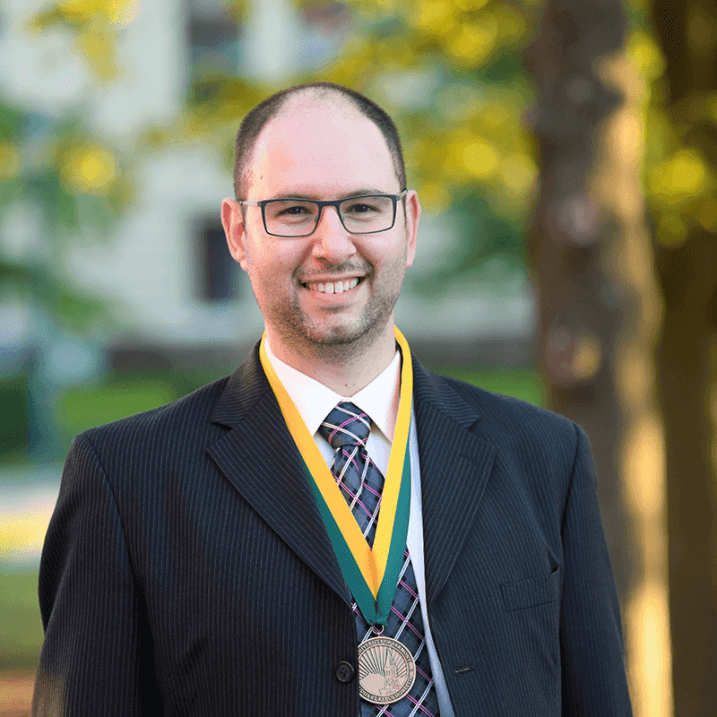
Matthew Price, Ph.D.
Professor, Department of Psychological Science · Director of Clinical Training
My research focuses on creating innovative strategies to expand the reach of clinical care for victims of traumatic events and those suffering from anxiety disorders.
Read more
To achieve this goal, my lab uses a translational framework in which we first identify fundamental mechanisms of treatment response for evidence-based interventions. These findings are then used to develop and evaluate novel interventions delivered through widely available technologies (e.g., mobile devices, remote sensors, websites).
Graduate student & research staff

Johanna E. Hidalgo
Clinical Psychology Ph.D. Student
Using technology to bring personalized PTSD care to marginalized communities.
Full bio
Johanna obtained her BS in psychology from the University of Central Florida in 2019. After graduation, she worked as a program assistant at the Medical University of South Carolina, on various studies that provided treatment for mood disorders and smoking cessation using mHealth. Johanna is interested in augmenting the accessibility of services for marginalized communities struggling with posttraumatic stress disorder (PTSD) and comorbid mood disorders — specifically, by utilizing technology to disseminate and implement personalized interventions. Johanna joined CREST in 2021.

Kathryn Stanton
Research & Program Manager
Brings healthcare and health equity expertise to project management.
Full bio
Kathryn received her Bachelor's from Cornell University with a focus in Psychology in 2012 and her Doctorate of Physical Therapy from UVM in 2017. Kathryn came to CREST via the LEMURS study, where she utilizes her background in physical health. Kathryn has been with the CREST Team since 2023 and primarily focuses on research support.
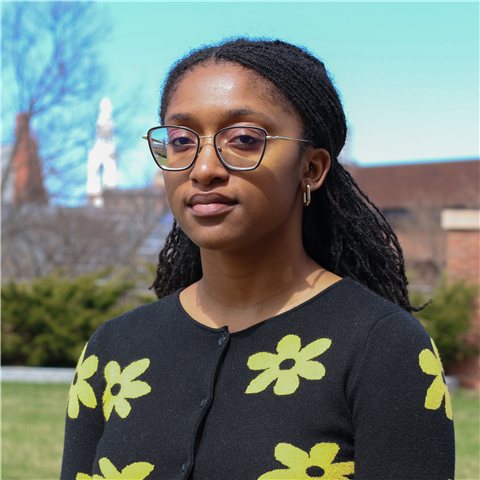
Isabelle Smith
Research Coordinator, LEMURS
Statistician with expertise in data management and project coordination.
Full bio
Izzy obtained both her MS (2025) and BS (2024) in statistics at the University of Vermont. As the research coordinator for LEMURS, she supports current participants and study activities, while also working on data organization. Izzy has been with CREST since 2025.
Undergraduate Research Assistants
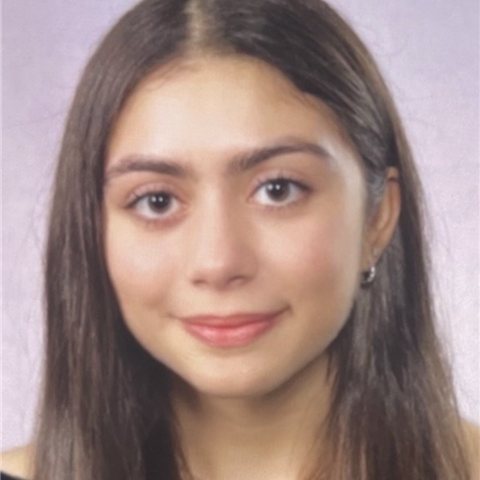
Elizabeth Cepeda
Research Assistant
Traumatic stress and chronic suffering; works with HEARTT participants.
Full bio
Elizabeth is majoring in psychological science and minoring in emergency medical services. Elizabeth is interested in researching traumatic stress and the effects of chronic suffering; as a result, in the CREST lab, Elizabeth primarily works on the HEARTT study, which allows her to interact with participants. After graduating with her BS, Elizabeth hopes to attend medical school and train as a physician in emergency psychiatry. Elizabeth joined CREST in 2025.

Kaelin Lensink
Research Assistant
Improving trauma treatment, and the mental health effects of intersecting oppression.
Full bio
Kaelin is majoring in psychological science and English and minoring in biology and behavioral change health studies. She assists primarily with the HEARTT study as well as the LEMURS study. She is interested in research on PTSD, focusing on the effects of trauma and how to improve treatment. Additionally, she would like to study the effects of intersecting forms of oppression and discrimination by focusing on the experiences and mental health of marginalized individuals. In their free time, they enjoy reading, writing, jewelry making, and baking. They plan to continue their education in psychological science by pursuing a Ph.D. in clinical psychology.

Willa Crowley
Research Assistant
How language and social media relate to anxiety and body image.
Full bio
Willa is a double major in psychological science and English with a minor in biology. In the lab, Willa assists with the HEARTT study, combining her interests in psychology and language. She is also interested in studying how the rise of social media contributes to anxiety and body image disturbances. In their free time, Willa enjoys reading, writing, playing games, and walking their dogs. They plan to graduate in Spring 2027 and hope to pursue a PhD in clinical psychology.

Ella Carbrey
Research Assistant
The long-term effects of childhood adversity, and how best to treat them.
Full bio
Ella is majoring in psychological science and plans to graduate in 2027. She is particularly interested in the physiological and psychological long-term effects of Adverse Childhood Experiences (ACEs) and the best treatment strategies to mitigate those effects. In the lab, Ella works with the Preserve and Connect and HEARTT studies, interacting with participants. After graduating with her BS, Ella hopes to pursue a master's and clinical psychology PhD. Outside of the lab, she enjoys cooking, running, knitting, and hiking.
CREST alumni
See where our former graduate students and research assistants are now.
Interested in psychology, technology, or both?
We're always looking for talented, motivated people to join the lab — especially those interested in computer science and data science as well as clinical research.
- Undergraduate & post-bac studentsUVM Psychological Science or Neuroscience majors with a GPA above 3.0 and at least 2nd-year standing. Computer science and related majors are strongly encouraged; students in other majors can contact Dr. Price directly.
- Prospective graduate studentsInterested in trauma, technology, and risk for psychopathology? Reach out before applying, or find us at national conferences. UVM application process.